Learn the Material
The whole pool in publication order, answers marked. Nothing here is scored and nothing changes your study statistics.
Notice: You have access to 71 of 285 questions in this course. You can subscribe later for only $10/mo. to unlock the entire course.
D1 — License, Permit and the Law
38 questions · 4 on the exam · 29 held back
Practice
Permits, Graduated Licensing and Supervised Driving · 18 questions
In the District of Columbia, what is the minimum age for a learner permit?
- A15
- B15 and a half
- C16
- D17
Why
DC issues a learner permit at 16, after the knowledge test and vision screening.
In DC, which new drivers must go through the GRAD (Gradual Rearing of Adult Drivers) program?
- AEveryone under 18
- BEveryone under 21
- CEveryone under 25
- DOnly drivers under 17
Why
Any new driver under 21 is licensed through the GRAD program.
Who may supervise a DC learner permit holder?
- AAny licensed driver 18 or older, in any seat
- BA driver 21 or older with a valid full license, seated in the front passenger seat
- CA parent or guardian only, whatever their age
- DA driver 25 or older with a valid full license, seated anywhere in the car
Why
The supervisor must be 21 or older, hold a valid full license and sit in the front passenger seat.
For a US citizen, how long is a DC learner permit valid?
- ASix months, and it can be renewed
- BOne year, and it can be renewed
- CTwo years, and it cannot be renewed
- DThree years, and it cannot be renewed
Why
The learner permit lasts two years for US citizens and is not renewable; after it expires you retake the knowledge test.
14 more questions in this group are in the full course.
Unlock the Full Question Bank
Start a 2-day free trial to study every question and take full practice tests. Then $10/month for this course. Cancel anytime in your account. One free trial per person.
Applying, Proving Identity, Renewing and Replacing · 12 questions
How old must you be to get a DC driver license?
- AAt least 16
- BAt least 16 and a half
- CAt least 17
- DAt least 18
Why
DC issues a driver license at 17; the learner permit comes first, at 16.
After moving to the District of Columbia, how soon must you have a DC driver license?
- AWithin 30 days
- BWithin 60 days
- CWithin 90 days
- DWithin 6 months
Why
New DC residents must get a DC driver license no later than 60 days after their move to the District.
How many proofs of DC residency must a driver license applicant submit?
- AOne
- BTwo
- CThree
- DNone; a Social Security number is enough
Why
Each applicant must show two forms of proof that they live in DC, plus their full legal name, birth date and Social Security number.
9 more questions in this group are in the full course.
Unlock the Full Question Bank
Start a 2-day free trial to study every question and take full practice tests. Then $10/month for this course. Cancel anytime in your account. One free trial per person.
Points, Suspension, Insurance and Financial Responsibility · 8 questions
How long do points stay active on a DC driving record?
- AOne year
- BTwo years
- CThree years
- DFive years
Why
Points stay active on your DC driving record for two years.
In DC, what happens when you accumulate 10 or 11 points?
- AA written warning and 2 extra points
- BYour license is suspended for 90 days
- CYour license is revoked for 1 year
- DYou must attend traffic school within 30 days
Why
Ten or eleven points bring a 90-day suspension of your DC license.
6 more questions in this group are in the full course.
Unlock the Full Question Bank
Start a 2-day free trial to study every question and take full practice tests. Then $10/month for this course. Cancel anytime in your account. One free trial per person.
D2 — Signs, Signals and Road Markings
108 questions · 7 on the exam · 83 held back
Watch
Lesson Video 1: Standard Traffic Sign Shapes Lesson Video 2: Common Road Markings Lesson Video 3: Common Traffic Sign Colors Lesson Video 4: Traffic Signals
Practice
Sign Shapes and Colors, and What Each Class Means · 21 questions
A pennant-shaped No Passing Zone sign is posted on:
- AThe left-hand side of the road
- BThe right-hand side of the road
- COverhead
- DThe median only
Why
On the left side of two-way roads.
A five-sided (pentagon) sign warns that:
- AYou are near a school where children may cross
- BA railroad crossing is ahead
- CYou must stop
- DThere is no passing
Why
School zone / school crossing.
An eight-sided (octagon) sign means:
- AStop and yield the right of way
- BYield
- CWarning
- DSchool zone
Why
Only stop signs are octagons.
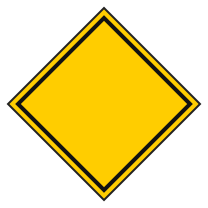
A diamond-shaped sign warns of:
- ARoad conditions and hazards ahead
- BA regulation
- CServices
- DA school zone only
Why
Example: Slippery When Wet.
Looking only at its outline, what does this sign's shape tell you?
- AInformation
- BStop
- CWarning
- DYield Right of Way
Why
Diamond signs warn of road conditions and hazards ahead.
16 more questions in this group are in the full course.
Unlock the Full Question Bank
Start a 2-day free trial to study every question and take full practice tests. Then $10/month for this course. Cancel anytime in your account. One free trial per person.
Regulatory Signs · 26 questions
A red flashing light at an intersection means:
- AThe same as a stop sign
- BThe same as a yield sign
- CThe signal is broken; proceed
- DSlow down and proceed with caution
Why
Come to a complete stop, then proceed with caution.
A yield sign means:
- ASlow down and be prepared to stop for vehicles or pedestrians with the right of way
- BAlways stop completely
- CMerge without slowing
- DRight of way belongs to you
Why
Vehicles with the right of way should not have to brake for you.
Red traffic signs tell drivers to:
- ATake immediate action to avoid a threat to safety
- BLook for services
- CWatch for construction
- DFollow a detour
Why
Red = immediate action (e.g., Wrong Way, Stop).
Orange traffic signs warn of:
- ATemporary conditions such as construction
- BSchools
- CServices
- DRecreation areas
Why
Orange = temporary conditions, construction and maintenance.
Brown traffic signs indicate:
- ARecreational and cultural interest sites
- BRoad services
- CConstruction
- DRegulations
Why
Brown = parks and cultural sites.
Blue traffic signs indicate:
- ARoad services and information
- BRegulations
- CHazards
- DRecreation areas
Why
Blue = services like gas, food and lodging.
20 more questions in this group are in the full course.
Unlock the Full Question Bank
Start a 2-day free trial to study every question and take full practice tests. Then $10/month for this course. Cancel anytime in your account. One free trial per person.
Warning Signs · 36 questions
What does this sign mean?
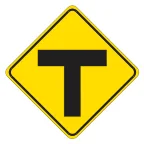
- ASlippery When Wet
- BPedestrian
- C"T" Intersection
- DSharp Turn Slow Down
Why
Warning signs prepare drivers for road conditions and hazards ahead.
What does this sign mean?
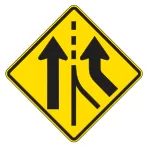
- ASteep Downgrade
- BAdded Lane
- CCurve Ahead
- DGolf Cart
Why
Warning signs prepare drivers for road conditions and hazards ahead.
What does this sign mean?
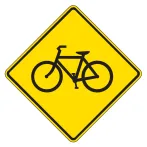
- ABicycle
- BObject Markers
- CYield Ahead
- DMerging Traffic
Why
Warning signs prepare drivers for road conditions and hazards ahead.
What does this sign mean?
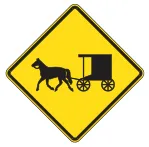
- AFire Station
- BGolf Cart
- CBuggy Warning
- DSide Road
Why
Warning signs prepare drivers for road conditions and hazards ahead.
What does this sign mean?
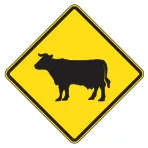
- AMerging Traffic
- BCattle
- CFire Station
- DLow Clearance
Why
Warning signs prepare drivers for road conditions and hazards ahead.
What does this sign mean?
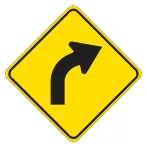
- ASide Road
- BCurve Ahead
- CPedestrian
- DLow Shoulder
Why
Warning signs prepare drivers for road conditions and hazards ahead.
What does this sign mean?
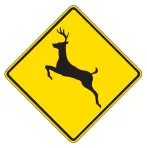
- ASlippery When Wet
- BTraffic Signal
- CMerging Traffic
- DDeer
Why
Warning signs prepare drivers for road conditions and hazards ahead.
What does this sign mean?
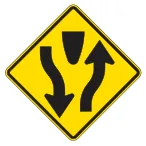
- AStop Ahead
- BYield Ahead
- CDivided Highway Begins
- DCurve Ahead
Why
Warning signs prepare drivers for road conditions and hazards ahead.
28 more questions in this group are in the full course.
Unlock the Full Question Bank
Start a 2-day free trial to study every question and take full practice tests. Then $10/month for this course. Cancel anytime in your account. One free trial per person.
Guide, Service and Construction Signs · 19 questions
Fluorescent yellow-green signs warn of:
- ASchools, pedestrians, bicycles, playgrounds and school bus routes
- BConstruction zones
- CRailroad crossings
- DDetours
Why
Fluorescent yellow-green is used near schools and for pedestrians and bicycles.
White traffic signs show:
- ARegulations drivers must obey, and helpful information such as route markers
- BHazards ahead
- CConstruction
- DServices
Why
Example: No Turn on Red.
What does this sign mean?
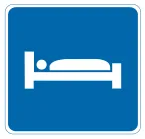
- ACamping Site
- BAccommodations Available
- CHospital
- DBoat Ramp
Why
Service and recreation signs show nearby amenities and parks.
What does this sign mean?
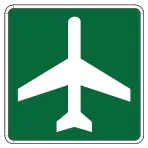
- AUS Highway
- BBus Station
- CAirport
- DHighway Exits
Why
Guidance signs show road types, exits and distances.
15 more questions in this group are in the full course.
Unlock the Full Question Bank
Start a 2-day free trial to study every question and take full practice tests. Then $10/month for this course. Cancel anytime in your account. One free trial per person.
Traffic Signals and Flashing Signals · 4 questions
A police officer at an intersection is directing traffic in a way that conflicts with the traffic light. What should you do?
- AContinue on without reducing speed
- BFollow the officer's directions instead of the light
- CObey the traffic signal
- DSubmit an alert on social media
Why
The officer's command is the one that must be obeyed.
3 more questions in this group are in the full course.
Unlock the Full Question Bank
Start a 2-day free trial to study every question and take full practice tests. Then $10/month for this course. Cancel anytime in your account. One free trial per person.
Pavement Markings and Lane Lines · 2 questions
A white diamond is painted in a traffic lane. What does it tell you?
- AA hazard is ahead in that lane
- BThe lane ends soon, so you must merge
- CThe lane is for left turns in both directions
- DThe lane is reserved for certain vehicles, such as carpools or buses
Why
A white diamond marks a reserved lane, such as an HOV (carpool) or bus lane. Signs tell you who may use it and when. It is not a warning symbol.
1 more question in this group are in the full course.
Unlock the Full Question Bank
Start a 2-day free trial to study every question and take full practice tests. Then $10/month for this course. Cancel anytime in your account. One free trial per person.
D3 — Right of Way and Intersections
17 questions · 4 on the exam · 12 held back
Watch
Read The Intersection Before You Enter
Practice
Right of Way at Intersections and Roundabouts · 4 questions
Traffic in a roundabout moves:
- ACounterclockwise
- BClockwise
- CIn either direction
- DStraight across the center
Why
Counterclockwise; enter and exit by right turns.
3 more questions in this group are in the full course.
Unlock the Full Question Bank
Start a 2-day free trial to study every question and take full practice tests. Then $10/month for this course. Cancel anytime in your account. One free trial per person.
Stop Signs, Yield Signs and Uncontrolled Intersections · 1 questions
You are on a through street. A car on a side street is coming up to its stop sign. What should you do?
- AKeep your speed, because the other driver must stop
- BSpeed up to get past before it reaches the sign
- CSound your horn and keep going
- DWatch it and be ready to stop in case it does not stop
Why
Never assume that another driver will stop or yield because a sign or signal tells them to. Be ready to react.
Pedestrians, Crosswalks and School Zones · 12 questions
A yellow flashing arrow for a turn means:
- AYou may turn after yielding to pedestrians and oncoming traffic
- BYou have a protected turn
- CYou must stop and wait for green
- DThe turn is prohibited
Why
Turn only after yielding.
A pedestrian hybrid beacon shows two steady red lights. You must:
- AStop; a pedestrian is crossing
- BProceed with caution
- CSlow down
- DYield only if pedestrians are present
Why
Steady red = stop while the pedestrian crosses. Flashing red = stop, then proceed if clear.
A pedestrian hybrid beacon that is dark means:
- AIt has not been activated by a pedestrian
- BIt is broken; treat as a stop
- CStop and wait
- DPedestrians are crossing
Why
It stays dark until a pedestrian activates it.
9 more questions in this group are in the full course.
Unlock the Full Question Bank
Start a 2-day free trial to study every question and take full practice tests. Then $10/month for this course. Cancel anytime in your account. One free trial per person.
D4 — Speed, Spacing and Lane Use
12 questions · 4 on the exam · 8 held back
Watch
Lesson Video 1: Following Distance and Space Lesson Video 2: Enter and Exit Highways Safely
Practice
Speed Limits and Safe Speed for Conditions · 7 questions
How many lanes should you change at one time?
- AOne
- BTwo
- CAs many as needed
- DThree
Why
Change only one lane at a time.
Which road surfaces may freeze before the rest of the road?
- ARamps, bridges and overpasses
- BIntersections only
- CGravel roads only
- DRoads near schools
Why
Bridges, ramps and overpasses freeze first.
5 more questions in this group are in the full course.
Unlock the Full Question Bank
Start a 2-day free trial to study every question and take full practice tests. Then $10/month for this course. Cancel anytime in your account. One free trial per person.
Following Distance and Space Around the Vehicle · 2 questions
Which factor affects your vehicle's stopping distance?
- ACondition of brakes and tires, and slickness and grade of the road
- BColor of the vehicle
- CRadio volume
- DTime of day only
Why
Also vehicle weight and pavement condition.
1 more question in this group are in the full course.
Unlock the Full Question Bank
Start a 2-day free trial to study every question and take full practice tests. Then $10/month for this course. Cancel anytime in your account. One free trial per person.
Lane Choice, Lane Changes and Merging · 3 questions
Before changing lanes, in addition to your mirrors you should:
- ABriefly turn your head to check your blind spot
- BHonk your horn
- CSpeed up
- DFlash your headlights
Why
A head check covers the blind spot.
2 more questions in this group are in the full course.
Unlock the Full Question Bank
Start a 2-day free trial to study every question and take full practice tests. Then $10/month for this course. Cancel anytime in your account. One free trial per person.
D5 — Turning, Passing and Parking
20 questions · 4 on the exam · 15 held back
Watch
Turning, Passing, and Parking
Practice
Turns and Signaling · 9 questions
A center lane marked for left turns in both directions may be used for:
- ALeft turns only, never for passing
- BPassing slower traffic
- CParking
- DDriving long distances
Why
Never use it to pass.
If you miss your exit on an interstate, you should:
- ADrive to the next exit
- BBack up on the shoulder
- CMake a U-turn through the median
- DStop and wait for traffic to clear
Why
Never back up or U-turn on an interstate.
7 more questions in this group are in the full course.
Unlock the Full Question Bank
Start a 2-day free trial to study every question and take full practice tests. Then $10/month for this course. Cancel anytime in your account. One free trial per person.
Passing and Being Passed · 1 questions
When following a driver who has signaled a turn, you should:
- ASlow down and be prepared to stop
- BPass on the right
- CHonk
- DKeep your speed
Why
Expect the car ahead to slow.
Parking, Stopping and Standing · 10 questions
Can you park in the striped zone right beside a disability parking space?
- ANo, that striped zone must stay clear for wheelchair ramps and transfers, even with a placard
- BAllowed with a valid placard
- CAllowed for less than 15 minutes
- DAllowed at night
Why
That space is for wheelchair transfers and ramps; never park there.
When parking facing downhill next to a curb, turn your front wheels:
- AToward the curb
- BAway from the curb
- CStraight ahead
- DIt does not matter
Why
Downhill: toward the curb. Uphill: away from the curb.
8 more questions in this group are in the full course.
Unlock the Full Question Bank
Start a 2-day free trial to study every question and take full practice tests. Then $10/month for this course. Cancel anytime in your account. One free trial per person.
D6 — Sharing the Road
37 questions · 4 on the exam · 29 held back
Watch
Lesson Video 1: Sharing The Road Lesson Video 2: Cross Railroad Tracks Safely Lesson Video 3: Work Zones: Slow Down and Leave Space Lesson Video 4: Respond Safely Around School Buses and Emergency Vehicles
Practice
Motorcycles, Bicycles and Pedestrians · 8 questions
Yellow lane markings separate:
- ATraffic moving in opposite directions
- BTraffic moving in the same direction
- CBike lanes from traffic
- DParking areas
Why
Yellow = opposite directions; white = same direction.
You are turning right and a bicyclist is approaching on your right. You should:
- ALet the cyclist go through first, then turn
- BTurn quickly in front of the cyclist
- CHonk and turn
- DMove into the bike lane to turn
Why
Do not turn across a cyclist's path.
6 more questions in this group are in the full course.
Unlock the Full Question Bank
Start a 2-day free trial to study every question and take full practice tests. Then $10/month for this course. Cancel anytime in your account. One free trial per person.
Trucks, Buses and Large Vehicles · 10 questions
When following a tractor-trailer, if you cannot see the driver's mirrors:
- AThe driver cannot see you
- BYou are at a safe distance
- CYou should pass on the right
- DYou should honk
Why
Drop back until you can see the mirrors.
You should pass a tractor-trailer:
- ACompletely and on the left side
- BOn the right side
- CSlowly, staying alongside
- DOnly on hills
Why
Never linger beside it.
8 more questions in this group are in the full course.
Unlock the Full Question Bank
Start a 2-day free trial to study every question and take full practice tests. Then $10/month for this course. Cancel anytime in your account. One free trial per person.
School Buses and Emergency Vehicles · 4 questions
Amber (yellow) flashing lights on a school bus mean:
- AThe bus is slowing to load or unload children
- BYou must stop now
- CThe bus is turning
- DThe bus is broken down
Why
Prepare to stop; red lights and stop arm come next.
3 more questions in this group are in the full course.
Unlock the Full Question Bank
Start a 2-day free trial to study every question and take full practice tests. Then $10/month for this course. Cancel anytime in your account. One free trial per person.
Work Zones, Railroad Crossings and Move-over Laws · 15 questions
You see a railroad crossing warning sign ahead. What should you do?
- ASpeed past any vehicle that might need to stop for the tracks
- BAccelerate to beat the warning signal across the tracks
- CBe prepared to stop
- DAssume it's safe to cross as long as you don't hear a horn or bell
Why
Always be prepared to stop at a railroad crossing.
A flagger holds a fluorescent orange/red flag straight out into your lane. You must:
- AStop
- BSlow down
- CProceed
- DChange lanes
Why
Horizontal flag = stop.
Late or "zipper" merging in a work zone means:
- AMerging near the lane closure where signs direct it, to shorten backups
- BMerging as early as possible
- CPassing on the shoulder
- DWeaving between lanes
Why
Used where signs say so.
12 more questions in this group are in the full course.
Unlock the Full Question Bank
Start a 2-day free trial to study every question and take full practice tests. Then $10/month for this course. Cancel anytime in your account. One free trial per person.
D7 — Conditions and Visibility
17 questions · 3 on the exam · 12 held back
Watch
Lesson Video 1: Scan Ahead, To The Sides, and Behind Lesson Video 2: Slow Down When Conditions Change
Practice
Night Driving and Headlight Use · 9 questions
To avoid glare from oncoming headlights at night, look:
- AToward the right side of the road
- BDirectly at the headlights
- CAt the center line
- DStraight up
Why
Focus on the right edge of the road.
On loose gravel, you should:
- ASlow down earlier before turns and stops
- BBrake harder than normal
- CDrive faster to keep traction
- DUse high beams
Why
Traction is reduced; slow down earlier.
7 more questions in this group are in the full course.
Unlock the Full Question Bank
Start a 2-day free trial to study every question and take full practice tests. Then $10/month for this course. Cancel anytime in your account. One free trial per person.
Rain, Snow, Ice, Fog and Wind · 6 questions
When driving in fog, you should use:
- ALow beam headlights
- BHigh beam headlights
- CParking lights only
- DNo lights
Why
High beams reflect off fog; low beams light the road better.
In very cold weather, it is a good idea to:
- AKeep a full tank of gas and carry a winter survival kit
- BDrive with a nearly empty tank
- CSkip warming up the engine
- DLeave snow on the lights
Why
A full tank keeps the heater running if you are stranded.
4 more questions in this group are in the full course.
Unlock the Full Question Bank
Start a 2-day free trial to study every question and take full practice tests. Then $10/month for this course. Cancel anytime in your account. One free trial per person.
Skids, Hydroplaning and Traction · 2 questions
Hydroplaning is when:
- AYour tires ride on water and lose contact with the road
- BYour engine overheats
- CYour brakes lock in snow
- DYour car slides on ice
Why
Slow down in heavy rain and standing water.
1 more question in this group are in the full course.
Unlock the Full Question Bank
Start a 2-day free trial to study every question and take full practice tests. Then $10/month for this course. Cancel anytime in your account. One free trial per person.
D8 — Impairment, Distraction and Attention
9 questions · 3 on the exam · 6 held back
Watch
Stay Alert Behind The Wheel
Practice
Alcohol, Drugs and the Legal Limits · 5 questions
The main factors that determine your BAC are:
- AHow much you drink, how quickly you drink, and your body weight
- BThe type of drink only
- CWhether you ate that day only
- DYour age and height
Why
Amount, speed of drinking, and body weight.
4 more questions in this group are in the full course.
Unlock the Full Question Bank
Start a 2-day free trial to study every question and take full practice tests. Then $10/month for this course. Cancel anytime in your account. One free trial per person.
Distraction, Phones and Passengers · 3 questions
How would you define distracted driving?
- AAnything that pulls your attention, hands, or eyes away from safely operating the vehicle
- BOnly involves a phone
- COnly happens at night
- DOnly involves passengers
Why
Eating and texting are examples.
2 more questions in this group are in the full course.
Unlock the Full Question Bank
Start a 2-day free trial to study every question and take full practice tests. Then $10/month for this course. Cancel anytime in your account. One free trial per person.
Fatigue, Emotion and Medical Fitness · 1 questions
Which is a warning sign of drowsy driving?
- ADifficulty remembering the last few miles driven
- BFeeling hungry
- CChecking mirrors often
- DUsing turn signals
Why
Also yawning, drifting, hitting rumble strips, missing exits.
D9 — Crashes, Emergencies and Breakdowns
13 questions · 3 on the exam · 9 held back
Watch
Lesson Video 1: When A Tire Fails Lesson Video 2: Respond Safely After a Crash
Practice
What to Do at a Crash, and What the Law Requires · 11 questions
If a collision cannot be avoided, it is best to hit:
- ASomething that gives way, like brush or shrubs
- BA tree
- CAnother car head-on
- DA concrete wall
Why
Choose something soft; avoid head-on.
If you must leave your car on a roadside shoulder, exit:
- AOn the passenger side, after checking around you
- BOn the driver's side
- CThrough the rear hatch
- DOnly after dark
Why
Stay away from passing traffic.
During a traffic stop, you should:
- AStay in the vehicle with your hands in clear view
- BStep out and walk to the officer
- CSearch the glove box before the officer arrives
- DKeep talking on your phone
Why
Remain inside unless directed; keep hands visible.
8 more questions in this group are in the full course.
Unlock the Full Question Bank
Start a 2-day free trial to study every question and take full practice tests. Then $10/month for this course. Cancel anytime in your account. One free trial per person.
Vehicle Failures on the Road · 2 questions
Your tire suddenly blows out while you're driving. What is the right response?
- AContinue driving on the rim until the destination is reached
- BGrip the wheel tightly, keep the vehicle steady, and let it slow down gradually before braking
- CIncrease your driving speed
- DApply the brakes right away
Why
Hold the wheel firmly, keep straight, ease off the gas, and brake only when almost stopped.
1 more question in this group are in the full course.
Unlock the Full Question Bank
Start a 2-day free trial to study every question and take full practice tests. Then $10/month for this course. Cancel anytime in your account. One free trial per person.
D10 — The Vehicle and Its Equipment
14 questions · 4 on the exam · 11 held back
Watch
Wear Your Seat Belt Correctly
Practice
Required Equipment, Lights and Vehicle Condition · 9 questions
When another vehicle is passing you on the left, you should:
- ALet it pass safely and not increase your speed
- BSpeed up
- CMove to the left
- DBrake hard
Why
Do not increase your speed.
If your rear wheels begin sliding sideways (conventional brakes), you should:
- AEase off the gas and steer in the direction the rear is sliding
- BBrake hard
- CSteer quickly away from the skid
- DAccelerate
Why
Ease off, steer where the rear is sliding, then straighten.
7 more questions in this group are in the full course.
Unlock the Full Question Bank
Start a 2-day free trial to study every question and take full practice tests. Then $10/month for this course. Cancel anytime in your account. One free trial per person.
Belts, Airbags and Child Restraints · 5 questions
A seat belt should be worn:
- ALow on the hips and flat across the collar bone
- BAcross the stomach
- CUnder the arm
- DOnly across the lap
Why
Low on the hips, flat across the collar bone.
4 more questions in this group are in the full course.
Unlock the Full Question Bank
Start a 2-day free trial to study every question and take full practice tests. Then $10/month for this course. Cancel anytime in your account. One free trial per person.
End of the free questions
You Have Read All 71 Free Questions
The other 214 are in the full course, with Study mode and the full practice test on every one of them. Month to month: cancel any time, and you keep access until the end of the month you paid for.